What You Are Actually Paying For
A commercial roof estimate is not one number, it is a stack of line items bundled together. The membrane or panel itself is usually the smallest piece. Most of the cost lives in labor, tear off and disposal, insulation, fasteners, flashings, edge metal, and the dozens of penetrations that have to be detailed around HVAC curbs, drains, vents, and skylights. On a typical Carthage low slope building, you are looking at somewhere between six and twelve dollars per square foot for a full replacement on TPO or EPDM, with PVC running higher and standing seam metal higher still. A repair on the same building might be a few hundred dollars for a single seam failure or climb into five figures once wet insulation is involved.
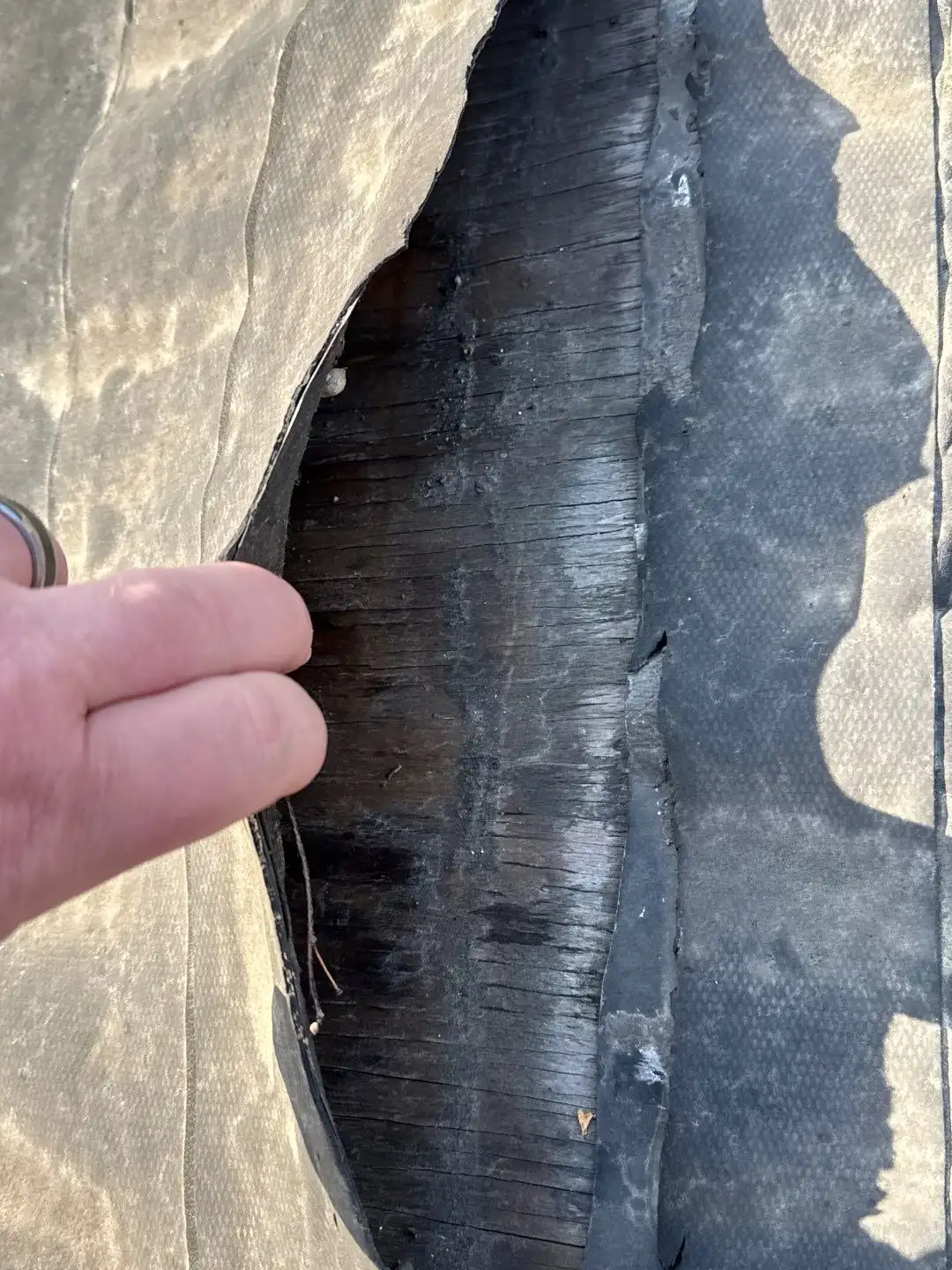
The condition of the deck and insulation under the membrane is the biggest swing factor we see on bids. Two roofs that look identical from the parking lot can price very differently once a moisture survey reveals that one has saturated polyiso across a third of its area. That insulation has to come out, and the labor to cut it free, haul it off, and replace it adds dollars per square foot quickly. This is why a thorough commercial roof inspection before bidding matters so much. A roof that is dry under the membrane is a straightforward replacement. A roof with hidden saturation is a much bigger project, and you want to know that before you sign, not after.
Beyond the membrane and insulation, there are scope items that quietly drive the final number. Edge metal and coping have to meet ANSI/SPRI ES-1 wind uplift requirements, and on older buildings the existing edge details often need to be rebuilt to current standards. Drains may need new clamping rings, strainers, or sumps. Walkway pads around rooftop equipment add cost but save the membrane from foot traffic damage during HVAC service calls. Code driven upgrades to insulation R-value can add a couple of dollars per square foot on their own, especially when the existing assembly is well below current minimums. None of these line items are optional on a properly built roof, and any bid that ignores them is setting you up for change orders later.
Repair, Restore, or Replace
The decision tree for a commercial roof usually comes down to three paths. Spot repair makes sense when the membrane has plenty of life left and the failures are isolated to seams, penetrations, or storm caused punctures. A targeted commercial roof repair in Carthage on a roof with eight or ten years of service left is almost always the right call financially. Restoration, meaning a fluid applied coating system over a cleaned and prepped existing membrane, can extend a roof another ten to fifteen years for roughly half the cost of full replacement, provided the substrate is sound and dry. Full commercial roof replacement is the answer when the membrane is brittle, the insulation is wet, or the existing system has already been recovered once and code will not allow another layer.
The math gets interesting in the middle. A building owner in Carthage with a twenty year old EPDM roof showing scattered seam failures might get bids ranging from fifteen thousand dollars for aggressive repairs to two hundred thousand for tear off and new TPO. Both bids could be honest. The repair bid buys you two or three more years and a clearer view of what is happening underneath. The replacement bid solves the problem for the next twenty five. Which is right depends on how long you plan to own the building, what your budget cycle looks like, and whether ongoing leaks are causing interior water damage that is costing you in tenant complaints and repair work below the roof line.
Tax treatment also belongs in the conversation, even though Carthage Commercial Roofing is not your accountant. Repairs are generally expensed in the year they happen, while replacement is capitalized and depreciated over a longer schedule. For an owner occupied building with a strong cash year, a larger repair package might be more attractive than a capital project, and the opposite can be true when a replacement can be timed against other improvements. A short conversation with your CPA before you commit to a path often changes the answer, and we have seen owners revise their direction once the after tax numbers were laid next to the bids.
How Materials and Climate Shape the Number
Carthage sees a full range of weather, from summer hail and wind to winter freeze thaw cycles that work seams loose over time. Material selection should reflect that. Single ply membranes like TPO and PVC are the most common choice on low slope commercial buildings here, balancing cost, reflectivity, and reasonable hail resistance. EPDM holds up well to temperature swings but shows its age at the seams. Modified bitumen is heavier and tougher but pricier to install. Standing seam metal carries the highest upfront cost and the longest expected service life, and on the right building it pays back over decades.
Here is a rough sense of where installed costs and lifespans land for Carthage commercial buildings under typical conditions:
Lifespans roughly mirror the cost ladder. A well installed EPDM or TPO roof in Carthage should give you twenty to twenty five years of service with reasonable maintenance. PVC runs similar to slightly longer. Metal can push forty or fifty when detailed properly. Those numbers assume annual inspections, prompt attention to flashings, and someone walking the roof after major hail or wind events so small failures get caught before they soak the insulation.
Building use plays into the choice too. A restaurant or food processing facility with grease laden exhaust often pushes toward PVC, which handles chemical exposure better than TPO or EPDM. A warehouse with significant rooftop foot traffic for HVAC service might justify a thicker mil membrane or heavier modified bitumen system. A cold storage building has insulation requirements that dwarf the membrane decision. The point is that two Carthage buildings of identical square footage can land on very different systems for entirely defensible reasons, and a contractor who only quotes one product regardless of the application is not doing the analysis you are paying for.
One last factor that catches building owners off guard is what happens during a live leak. If water is actively coming through the roof, the priority shifts from pricing the long term solution to stopping the immediate damage. Emergency tarping and dry in work to protect the interior often gets handled as a separate scope from the eventual repair or replacement bid, and that is the right way to do it. When you call Carthage Commercial Roofing with active water intrusion, severity gets assessed over the phone first so we know whether to roll a crew for emergency dry in or schedule an inspection for the permanent scope. You stabilize the building first, then take the time to price the permanent fix correctly.